Zigbee Smart Plug with Energy Monitoring: What It Is and Why It Matters
Learn how Zigbee smart plugs with energy monitoring work to track your electricity usage, automate your home, and help you save money.
 By Elvis Dicki
Updated October 22, 2026
A Zigbee smart plug with energy monitoring is a device you plug into a standard wall outlet to control and track the electricity use of any appliance connected to it. Using the Zigbee wireless protocol, it connects to your smart home hub to provide real-time and historical power consumption data, allowing you to automate devices and identify energy-hungry appliances directly from your smartphone.
Understanding your energy use is the first step toward a more efficient and smarter home. These devices empower you with data, letting you see exactly how much power your devices consume, set schedules to avoid waste, and make informed decisions that can lead to cost savings on your utility bills.
How Zigbee Smart Plugs with Energy Monitoring Work
These smart plugs are more than just remote-controlled outlets. They contain a current sensor and a microcontroller that measures the voltage and current flowing through the plug. This data is converted into useful metrics like wattage, kilowatt-hours (kWh), and estimated cost, which is then transmitted wirelessly.
The Role of the Zigbee Protocol
Zigbee is a low-power, mesh-networking protocol designed specifically for smart home devices. Unlike Wi-Fi plugs, a Zigbee plug connects to a central hub (like those from Amazon, Samsung SmartThings, or Hubitat). This hub then relays commands and data to your phone. The mesh network means each Zigbee device can extend the range of your network, making it reliable for larger homes.
What the Data Tells You
Through a companion app, you can see live power draw, track daily/weekly/monthly energy consumption, and even set alerts for abnormal usage. This visibility is crucial for identifying “vampire loads”—devices that consume power even when switched off, like an old DVD player or a gaming console in standby mode.

Key Benefits of Using an Energy Monitoring Smart Plug
Track and Reduce Energy Costs
The primary benefit is financial. By identifying which appliances are the most expensive to run, you can change your habits. For example, you might discover your space heater uses far more energy than you thought, prompting you to use it more sparingly or invest in a more efficient model.
Enable Advanced Home Automation
With energy data, automation becomes more intelligent. You can create routines that turn off a device when its energy draw drops to zero (indicating it’s finished its cycle), or send you an alert if your refrigerator’s power consumption spikes, which could signal a problem. This level of automation goes beyond simple timers.
Improve Home Safety
Sudden, unexpected spikes in energy consumption can indicate a faulty device or a potential fire hazard. Some systems allow you to set thresholds and receive notifications for such events, giving you an early warning to unplug and inspect an appliance.
What to Look for When Choosing One
Not all energy-monitoring smart plugs are created equal. Here are the key features to consider to ensure you get a device that fits your needs.
Compatibility with Your Existing Hub
This is the most critical step. Ensure the plug is certified to work with your specific smart home hub (e.g., Amazon Echo with built-in Zigbee hub, Samsung SmartThings, Hubitat). Using a compatible hub is essential for a reliable setup, as we discuss in our guide on building interconnected smart home systems.
Accuracy and Data Granularity
Check the product specifications for measurement accuracy. Some plugs offer basic wattage, while others provide detailed metrics like power factor, voltage, and amperage. Consider what level of detail you actually need for your goals.
Physical Design and Load Rating
Make sure the plug’s physical design won’t block adjacent outlets. More importantly, verify its maximum load rating (e.g., 15A, 1875W). Never plug a high-wattage appliance like an air conditioner or heater into a plug rated for lower power.

Recommended Products for a Smarter Home Setup
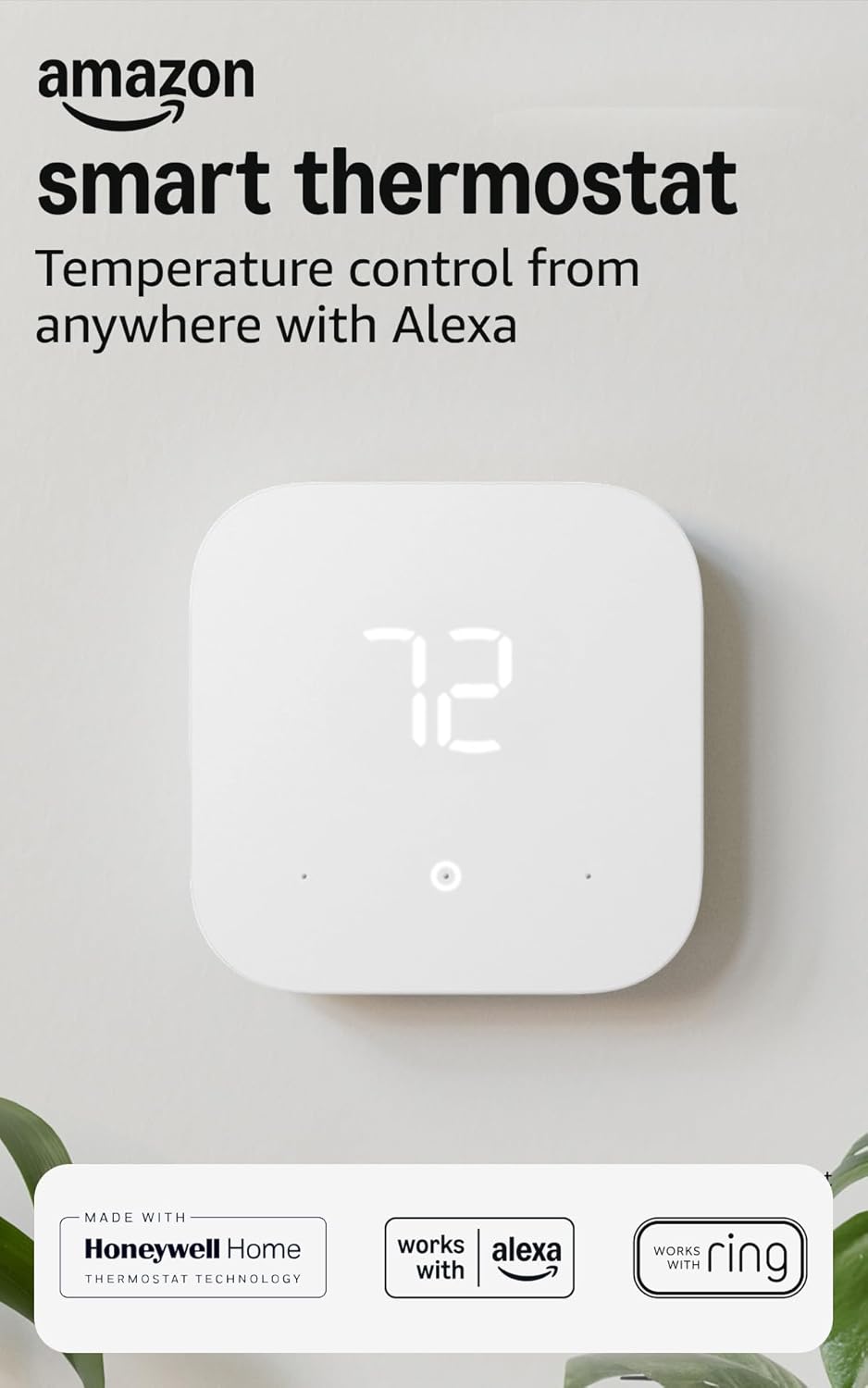
While this article focuses on the technology, certain products can complement a smart home focused on efficiency and control. For instance, managing your home’s climate is a major part of energy savings. The Amazon Smart Thermostat, Save money and energy integrates easily with Alexa and uses presence detection to automatically adjust heating and cooling, which can work in tandem with your smart plugs for whole-home efficiency. For entertainment, a compact, low-power audio solution like the Cyber Acoustics USB Speaker Bar (CA-2890) can provide great sound without adding to your energy monitoring load. Similarly, for video, a portable projector like the Magcubic Mini Projector with WiFi 6 and Bluetooth offers a big-screen experience that’s potentially more efficient than a large TV.
Prime Amazon Smart Thermostat, Save money and energy
Magcubic HY300 Pro+ Mini Projector 720P 4K Support
Prime Cyber Acoustics CA-2890 USB Speaker Bar
As an Amazon Associate we earn from qualifying purchases. Product prices and availability are accurate as of the date/time indicated.
Frequently Asked Questions
Do I need a special hub for a Zigbee smart plug?
Yes, in most cases. Zigbee devices require a Zigbee coordinator, which is often a dedicated smart home hub or built into devices like the Amazon Echo (4th Gen) or Echo Show 10. Without this hub, the plug cannot communicate with your phone or the internet.
How accurate is the energy monitoring?
Accuracy varies by model but is generally within ±5% for most consumer-grade plugs. This is accurate enough to identify major energy users and track trends, but it may not be suitable for precise billing verification. Always check the manufacturer’s specifications.
Can I use it outdoors or in a garage?
Only if the plug is specifically rated for outdoor or damp location use (look for an IP rating). Most Zigbee smart plugs with energy monitoring are designed for indoor use only. Plugging one into an outdoor outlet could pose a safety hazard and damage the device.
Will it work during a power outage or internet downtime?
The plug itself will turn off if power is lost. Schedules and automations stored locally on advanced hubs (like Hubitat) may continue to work without internet, but you will lose remote access and app notifications until your internet connection is restored.
Is my data private?
Your energy usage data is typically stored on the manufacturer’s cloud servers. Review the privacy policy of the plug and hub manufacturer to understand how they use this data. For maximum privacy, consider hubs that allow for completely local processing without cloud reliance.
Final Thoughts
A Zigbee smart plug with energy monitoring is a powerful tool for transforming a standard home into a data-informed, efficient smart home. It bridges the gap between simple remote control and intelligent automation, giving you the insights needed to make meaningful changes. The key to success lies in ensuring compatibility with your existing ecosystem and using the data it provides to adjust your habits and automate wisely.
Starting with one or two plugs on your most suspect appliances can reveal surprising information and lead to tangible savings. From there, you can expand your system, integrating other efficient devices and creating a cohesive, automated home that saves energy without sacrificing comfort, much like the principles discussed in our guide on designing efficient and immersive home environments.
About the author

Elvis Dicki writes reviews and buying guides for CyberSecLabs.