TP-Link EAP650 Review: Connects to the Omada SDN Platform
The TP-Link EAP650 is a WiFi 6 wireless access point that delivers high-speed dual-band performance and free cloud management, making it a strong choice for businesses needing scalable networking.
 By Elvis Dicki
Updated October 21, 2026
In the landscape of modern business networking, the demand for reliable, high-performance, and easily manageable wireless infrastructure is paramount. The TP-Link EAP650 Omada WiFi 6 Wireless Access Point positions itself as a solution designed to meet these needs, offering the latest wireless technology with centralized management. This access point is engineered for environments like offices, hotels, classrooms, and cafes where aesthetics, speed, and network control are critical. This review analyzes its specifications, features, and potential fit based on the manufacturer’s data.

At its core, the EAP650 is a dual-band AX3000 access point that leverages WiFi 6 technology to support multiple devices with faster speeds. Its standout feature is integration into the free Omada Software Defined Networking (SDN) platform, which promises simplified cloud-based management without mandatory hardware controllers. For businesses seeking to upgrade their wireless infrastructure with a focus on future-proof performance and streamlined administration, the TP-Link EAP650 presents a compelling package backed by a substantial warranty.
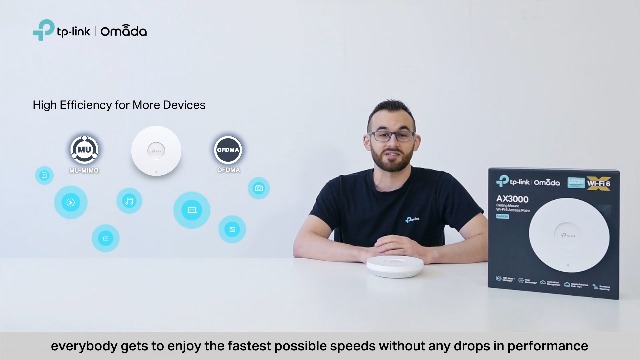
TP-Link EAP650 Omada WiFi 6 AX3000 Access Point



As an Amazon Associate we earn from qualifying purchases. Product prices and availability are accurate as of the date/time indicated.
TP-Link EAP650 at a Glance
| Specification | Detail |
|---|---|
| Model | EAP650 |
| Wireless Standard | WiFi 6 (802.11ax) |
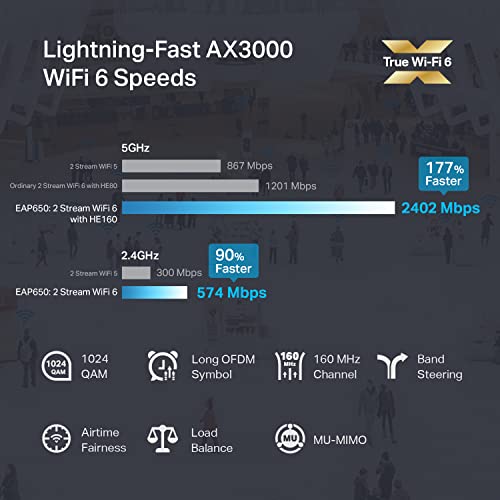
| Maximum Speed | Up to 2976 Mbps (Dual-Band) |
| Key Technology | 1024-QAM, HE60, Long OFDM Symbol |
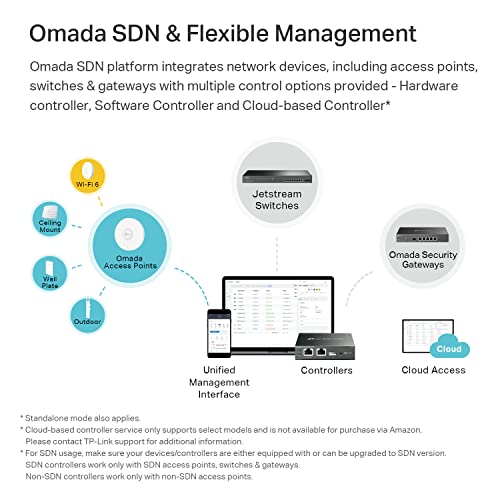
| Management Platform | TP-Link Omada SDN (Cloud, Software, or Hardware Controller) |
| Power Options | 802.3at PoE+, 48V Passive PoE, 12V DC Adapter (Included) |
| Security | WPA3, Captive Portal |
| Advanced Features | Mesh Support, Seamless Roaming*, Band Steering, Beamforming |
| Warranty | 5 Years |
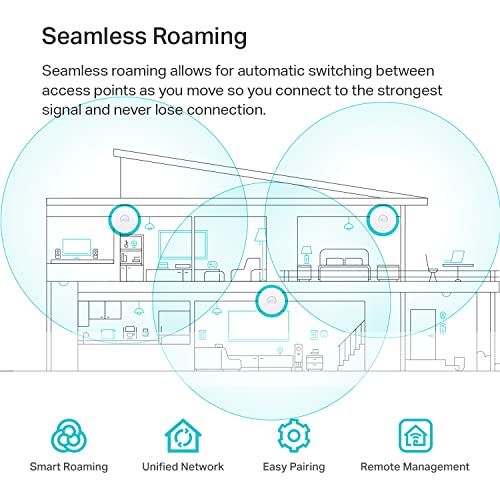
*Seamless roaming requires the use of an Omada SDN controller.
Design and Build
The TP-Link EAP650 is characterized by what the manufacturer calls an “ultra-slim” and compact design. This focus on a low-profile form factor is intended to facilitate simple installation while conserving space, a practical consideration for ceiling or wall mounting in commercial settings. The aesthetic is described as elegant, allowing the unit to blend into modern environments such as offices, hotels, or cafes without becoming an eyesore. The provided mounting kits are designed to support this straightforward deployment process. The build quality and specific materials, such as the mentioned PVC color, are not detailed beyond this, but the design philosophy clearly prioritizes discreet integration over standout visual elements.
Performance and Features
Wireless Performance and Technology
The EAP650 is built on the WiFi 6 (802.11ax) standard, which is the foundation for its performance claims. It is advertised to deliver dual-band speeds up to 2976 Mbps. This is achieved through several underlying technologies: 1024-QAM for increased data density, HE60 for efficiency, and Long OFDM Symbol for improved range and stability. These features are collectively aimed at providing what TP-Link terms “true Wi-Fi 6 speeds,” beneficial for high-density environments with many connected devices. The access point also supports advanced wireless technologies like Beamforming, which focuses signal strength towards clients, and Airtime Fairness, which optimizes bandwidth distribution among devices.
Connectivity and Power
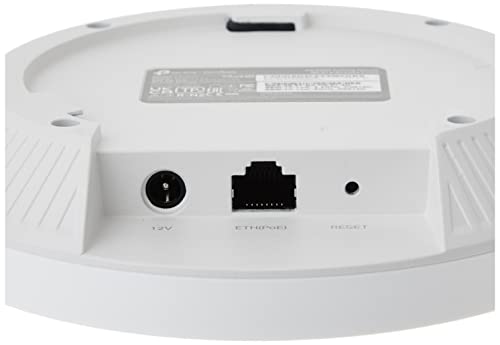
Connectivity is handled via a single 1 Gigabit Ethernet port. This port serves as both the data uplink and the primary power input when using Power over Ethernet. The EAP650 offers notable flexibility in how it receives power, supporting three methods: standard 802.3at PoE+ (which provides both data and power over a single cable), 48V/0.5A Passive PoE, and a 12V/1.5A DC power adapter, which is included in the box. This variety of powering options is designed to make deployment “effortless and flexible,” allowing it to work with existing PoE switches or standalone power supplies. The manufacturer suggests a specific TP-Link model (TL-PoE4824G) for passive PoE powering.
Software, Management, and Security
The most significant feature set revolves around the Omada SDN ecosystem. The EAP650 can be integrated into this platform for centralized management of multiple network devices. Management options include a cloud-based controller, a software controller, or a dedicated hardware controller. Crucially, the “Omada Essentials” cloud management is highlighted as being free with no additional fees, requiring no physical controller. Setup is described as simple: launch the Omada app, scan the product’s serial number, and begin management. This enables remote cloud access for controlling the network from a single interface from anywhere. The access point also supports a standalone mode for simpler deployments. For security, it includes support for the latest WPA3 encryption standard and features like a captive portal for guest network access, which is essential for business environments. Other managed features include Band Steering, Load Balancing, and support for Mesh WiFi.
Setup, Support and Ownership
Setup appears designed for accessibility, particularly with the free cloud management option that eliminates the need for a separate controller hardware investment. The inclusion of ceiling/wall mounting kits and a DC power adapter in the box means the essential items for a basic installation are provided. For more advanced functionality like Omada Mesh Seamless Roaming, an Omada SDN controller (cloud, software, or hardware) is required. The ownership experience is bolstered by an industry-leading 5-year warranty, which provides long-term assurance. Furthermore, TP-Link offers free technical support during specific business hours on weekdays. This level of post-purchase support is a strong point for business customers who require reliable assistance.
What Owners Say
Owner feedback for the TP-Link EAP650 indicates a high level of satisfaction, as reflected in its aggregate rating. Reviews generally praise the product for its performance and value. Common positive sentiments from users likely relate to the ease of use with the Omada system, the reliable WiFi 6 speeds in practice, and the sleek design that fits well in professional settings. The availability of detailed owner review excerpts is not provided in the data, but the strong rating suggests the product meets or exceeds expectations for the majority of buyers in its target market. For more insights on how tech products perform in real-world settings, you can explore other expert reviews on our site.
Pros and Cons
Pros
- Delivers high-speed WiFi 6 performance with advanced 1024-QAM technology
- Free, intuitive Omada cloud management simplifies setup and remote administration
- Compact and elegant design allows for discreet installation in business environments
- Multiple powering options (PoE+, Passive PoE, DC) provide flexible deployment
- Includes robust features like Mesh support, WPA3, and band steering
- Backed by a strong 5-year warranty and dedicated technical support
Cons
- Full seamless roaming and mesh capabilities require an Omada SDN controller
- Primarily optimized for business use; may offer more features than a typical home needs
- Passive PoE powering may require a separate, specific adapter not included
- Single Ethernet port limits direct wired connectivity options at the access point
Who Should Buy It (and Who Should Skip It)
The TP-Link EAP650 is ideally suited for small to medium-sized businesses, including offices, retail spaces, hotels, and cafes, that are looking to deploy or upgrade a professional wireless network. It is a perfect fit for those who value centralized, cloud-based management without recurring fees and need the performance benefits of WiFi 6 for handling multiple client devices. It’s also excellent for IT managers planning to build out or expand an Omada SDN ecosystem, as it integrates seamlessly. Those interested in building a secure and scalable tech environment might also find our resources on AI & Software and Cybersecurity valuable for broader context.
This access point is likely overkill for users with simple home networking needs, such as a single-family home with a basic router. Individuals unwilling to engage with any level of network management, even via a user-friendly app, may find it more complex than necessary. Furthermore, those who need immediate out-of-the-box mesh roaming without purchasing or setting up an additional Omada controller should consider this requirement carefully.
Final Verdict
The TP-Link EAP650 stands out as a well-rounded and capable WiFi 6 access point for commercial and advanced prosumer applications. Its combination of modern wireless technology, flexible power and deployment options, and—most importantly—its free cloud management system through Omada, creates a powerful value proposition. The hardware is designed to be unobtrusive yet capable, supporting the high-density, high-demand environments it targets.
While its feature set is deep, potential buyers should note that unlocking its full potential for seamless roaming and integrated mesh networking requires commitment to the Omada ecosystem with a controller. However, even in standalone mode or with the free cloud management, it offers significant performance and security enhancements over older wireless standards. For businesses prioritizing a scalable, manageable, and high-performance network infrastructure, the TP-Link EAP650 is a compelling and competitively featured choice that justifies strong consideration, much like how selecting the right foundational tech gear is crucial for any setup.
FAQs
Does the TP-Link EAP650 require a separate controller?
No, a separate hardware controller is not required for basic setup and management. The EAP650 can be managed for free using the Omada cloud platform via the Omada app, which acts as a software controller. However, for advanced features like Omada Mesh Seamless Roaming, an Omada SDN controller (which can be cloud-based, software-based, or a hardware appliance) is necessary.
What is included in the box with the EAP650?
According to the manufacturer’s specifications, the package includes the EAP650 access point itself, a power adapter, ceiling/wall mounting kits, and an installation guide. This provides the essentials for physically installing and powering the unit via DC.
Can the EAP650 be used in a home network?
Yes, it can be used in a home, and it is even listed under “Recommended Uses For Product” as “Home.” However, its feature set and management options are primarily optimized for business environments. For a very advanced home user or smart home enthusiast who wants enterprise-grade features and management, it could be suitable, but it may be more complex and feature-rich than necessary for a typical household. Users building sophisticated home setups might also explore guides on AI smart home devices for complementary technology.
What power sources can I use for this access point?
The EAP650 supports three power input methods: standard 802.3at PoE+ (which delivers both data and power over the Ethernet cable), 48V/0.5A Passive PoE, and the included 12V/1.5A DC power adapter. This flexibility allows it to be powered by a compatible PoE switch, a dedicated passive PoE injector, or plugged directly into a wall outlet with the provided adapter.
About the author

Elvis Dicki writes reviews and buying guides for CyberSecLabs.