Seagate ST4000VN006 Review: Does IronWolf Health Management Prevent Drive Failure?
The Seagate ST4000VN006 is a 4TB NAS-optimized hard drive built for reliable, multi-user storage in up to 8-bay systems, featuring dedicated health monitoring and data recovery services.
 By Elvis Dicki
Updated October 22, 2026
In the realm of network-attached storage, reliability and proactive monitoring are as critical as raw capacity. The Seagate ST4000VN006, part of the IronWolf series, is an internal hard drive engineered specifically for this environment. It is a 4TB, 3.5-inch SATA drive built for multi-user NAS enclosures with up to eight bays, prioritizing consistent performance and longevity over peak speeds. This review analyzes its specifications, design, and the value of its integrated health management system for teams and power users seeking dependable network storage.

This drive is designed for users who need to centralize files for shared access in a small office or a sophisticated home media setup, where the drive must operate continuously with minimal vibration and downtime. Its bottom line is offering a balanced combination of adequate capacity, NAS-optimized features like reduced wear and integrated health monitoring, and the security of included data recovery services, making it a focused choice for specific storage scenarios rather than a general-purpose desktop drive.
Seagate IronWolf 4TB NAS Internal Hard Drive


As an Amazon Associate we earn from qualifying purchases. Product prices and availability are accurate as of the date/time indicated.
Seagate ST4000VN006 at a Glance
| Specification | Detail |
|---|---|
| Model | Seagate ST4000VN006 (IronWolf) |
| Capacity | 4 TB |
| Form Factor | 3.5 Inches |
| Interface | SATA 6 Gb/s |
| Rotational Speed | 5400 RPM |
| Cache Memory | 64 MB |
| Max Sequential Read Speed | Up to 180 MB/s |
| Key Feature | IronWolf Health Management |
| NAS Bay Support | Up to 8 bays |
| Warranty & Services | 3-Year Limited Warranty & Rescue Data Recovery Services |
Design and Build
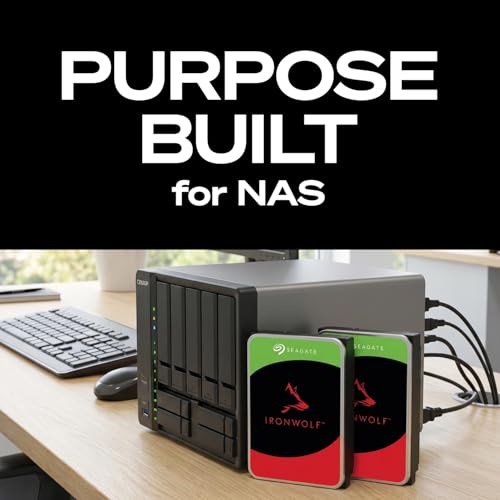
The Seagate IronWolf 4TB drive follows the standard 3.5-inch hard drive form factor with a SATA interface, ensuring broad compatibility with NAS enclosures and desktop chassis. Its construction is tailored for the NAS environment, with design elements aimed at mitigating the common challenges of multi-drive setups. According to the manufacturer, the drive is built to deliver less wear and tear, and little to no noise or vibration. This focus is crucial when multiple drives operate in close proximity within a NAS box, as excessive vibration can affect performance and longevity. The drive’s aluminum enclosure material is typical for heat dissipation, though specific acoustic or thermal figures are not listed by the manufacturer.
The drive’s branding and model information are clearly marked. Its design philosophy is not about aesthetic flair but about functional reliability for 24/7 operation. The emphasis is on creating a drive that can sustain continuous workloads in a shared network environment without introducing performance hiccups or becoming a point of failure due to environmental stress from neighboring drives.
Performance and Features
Core Performance Specifications
Performance for a NAS drive is measured by consistent throughput and reliability rather than blazing-fast access times. The ST4000VN006 uses a 5400 RPM rotational speed paired with a 64 MB cache. This configuration supports a maximum sequential read speed of up to 180 MB/s. This speed is sufficient for serving files to multiple users over a gigabit network, which typically maxes out around 125 MB/s, making the drive well-matched for its intended network environment. The use of CMR (Conventional Magnetic Recording) technology is implied by its product title and is beneficial for NAS and RAID applications due to more consistent write performance compared to SMR drives, though this specific technical detail is not explicitly stated in the provided data.
Connectivity and Compatibility
Connectivity is straightforward with a SATA 6 Gb/s interface, the prevailing standard for internal storage. This ensures easy integration into virtually any modern NAS enclosure or desktop computer with available SATA ports and power connectors. The drive is specified as being purpose-built for NAS enclosures and is designed for use in systems with up to eight bays. It is marked as compatible with desktop devices and suitable for both business and personal use, highlighting its versatility within its performance envelope.
IronWolf Health Management
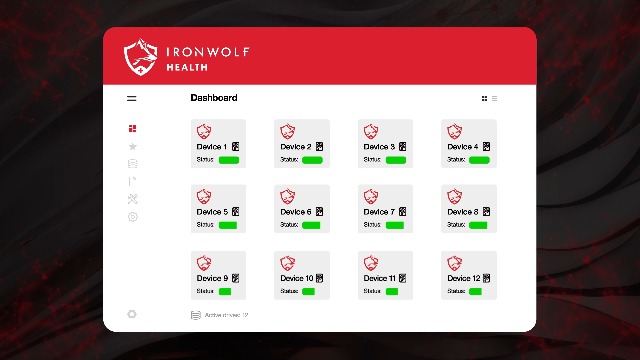
A standout software feature is the integrated IronWolf Health Management (IHM) system. This is a key selling point that allows users to easily monitor the health of the drive. While the provided data does not detail the exact metrics or interface (whether it’s through Seagate’s own tools or via compatible NAS operating systems like Synology DSM or QNAP QTS), its presence is a proactive measure. The goal is to provide warnings about potential drive issues before they lead to failure, aiding in preventative maintenance and data protection strategies within a NAS array.
Reliability and Power
Reliability is quantified with a 1 million hours MTBF (Mean Time Between Failures) rating, a standard metric suggesting long-term durability. The drive is also described as having lower power consumption, which is advantageous for always-on systems, though specific wattage figures are not provided. The combination of reduced vibration design, health monitoring, and this MTBF rating positions the drive for the sustained workloads expected in a shared network storage setting.
Setup, Support and Ownership
Setup is as simple as installing any standard 3.5-inch SATA hard drive. Users will need to physically mount the drive in their NAS enclosure or computer bay and connect the SATA data and power cables. Initialization and formatting are then handled through the NAS’s operating system or the computer’s disk management tools. The drive does not require special drivers for basic functionality.
Support and ownership benefits are strong points. The drive comes with a three-year limited warranty. More notably, it includes a three-year Seagate Rescue Data Recovery Services plan. This service adds a significant layer of security, offering professional data recovery assistance in case of drive failure, which can be invaluable for business or irreplaceable personal data. This combination of warranty and recovery service addresses two major concerns with hard drive ownership: hardware replacement and data loss.
For those building or expanding a storage system, exploring tech gear setups can provide context on how a drive like this fits into a broader ecosystem. There are no mentioned required accessories; the drive is a standalone component. Firmware or tool updates would be managed through Seagate’s support channels, and the IronWolf Health Management system would be the primary software component for ongoing maintenance.
What Owners Say
The aggregate owner feedback, as reflected in the rating distribution, is overwhelmingly positive. The drive holds a high average rating, with the vast majority of reviews being top-tier. A significant portion of the remaining ratings are also positive. This pattern suggests widespread satisfaction with the drive’s performance, reliability, and value in its intended NAS role. The low percentage of mid-range ratings indicates few experienced mediocre performance, while the presence of a small percentage of lowest ratings is common and can stem from isolated drive failures, compatibility issues, or mismatched expectations—such as using it in a role it wasn’t designed for, like a high-speed gaming drive. The high rating and distribution support the manufacturer’s claims of reliability and suitability for network storage.
Pros and Cons
Pros
- Purpose-built for NAS with vibration reduction for stability in multi-drive setups.
- Includes valuable three-year data recovery services for added data protection.
- Integrated IronWolf Health Management for proactive drive monitoring.
- Strong overall reliability backed by a high MTBF rating and warranty.
- Good compatibility with standard SATA interfaces and NAS systems.
- Optimized for lower power consumption and noise in continuous operation.
Cons
- 5400 RPM speed results in slower access times than 7200 RPM desktop drives.
- Maximum sequential speed is adequate but not exceptional for large file transfers.
- Designed for up to 8-bay NAS, not for larger-scale enterprise storage systems.
- Mechanical hard drive design consumes more power and is slower than SSD alternatives.
- Performance is optimized for sustained network throughput, not low-latency tasks.
Who Should Buy It (and Who Should Skip It)
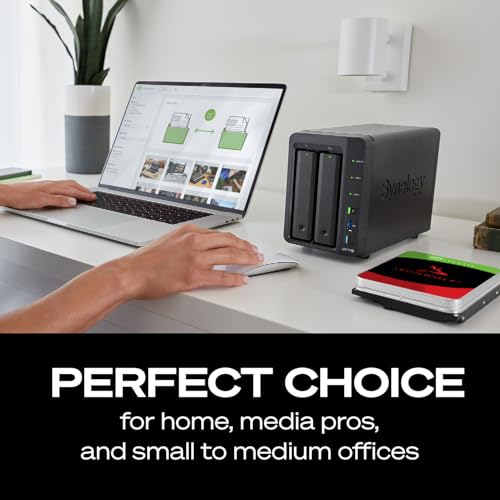
The Seagate ST4000VN006 is an ideal choice for users building or upgrading a small to medium-sized NAS for a home office, creative team, or household media server. It’s perfect for those who value the integrated health monitoring and the peace of mind offered by the included data recovery services. If your priority is reliable, shared storage for documents, media files, and backups in a system with up to eight drive bays, this drive is tailored for you. It also suits users who prefer the cost-per-gigabyte value of hard drives over SSDs for bulk storage.
This drive is not the best choice for users seeking the fastest possible load times for applications, games, or operating systems. It should be skipped by those needing a drive for a high-performance desktop PC or a gaming rig where a 7200 RPM drive or an SSD would be significantly more responsive. It’s also not designed for massive, high-bay-count enterprise NAS or server arrays beyond eight bays. Anyone whose primary need is extreme speed for video editing or large dataset manipulation directly from the drive should look at faster alternatives. For insights on optimizing other parts of your setup, consider reading about ergonomic workspace choices that complement a stable tech environment.
Final Verdict
The Seagate ST4000VN006 IronWolf 4TB NAS Hard Drive successfully fulfills its specific mission. It is not a drive that tries to be everything to everyone; instead, it focuses on delivering reliable, monitored, and recoverable storage for networked environments. Its 5400 RPM speed and 180 MB/s throughput are perfectly adequate for saturating a gigabit network connection for multiple users, which is the core requirement. The real value lies in its NAS-optimized design—reducing vibration—and its software features, particularly the IronWolf Health Management system and the included Rescue Data Recovery Services.
For the target user, these features transform the drive from a simple storage component into a more intelligent and secure part of their data infrastructure. While those requiring maximum speed for direct-attached storage should look elsewhere, the ST4000VN006 represents a solid, well-supported choice for its intended role in a multi-bay NAS. It offers a compelling package of capacity, tailored performance, and unique safety nets that justify its position for small-team and advanced home users seeking dependable network storage. As with any storage decision, aligning the product’s strengths with your use case, as one might when selecting educational resources for a specific skill, is key to satisfaction.
FAQs
Is the Seagate ST4000VN006 good for a RAID array?
Yes, it is designed for NAS and RAID environments. Its features, like reduced vibration and health management, are intended to improve stability and monitoring in multi-drive setups. It is specified as being suitable for use in systems with up to eight bays, which typically use RAID configurations for redundancy or performance.
What is IronWolf Health Management and how do I use it?
IronWolf Health Management (IHM) is an integrated system that monitors drive health indicators to help prevent data loss. The exact interface is not detailed in the provided specs, but it typically works through compatible NAS operating systems (like those from Synology or QNAP) or Seagate’s own software tools, providing alerts and health status reports.
Can I use this drive in a regular desktop PC?
Physically and functionally, yes, as it uses a standard SATA interface. However, its performance profile (5400 RPM) is optimized for sustained network throughput rather than low-latency desktop access. For a primary desktop drive where speed is key, a 7200 RPM drive or an SSD would generally provide a better experience.
What does the Rescue Data Recovery Service cover?
The included three-year Rescue Data Recovery Services plan offers professional data recovery assistance in the event of drive failure. Specific terms and conditions would be provided by Seagate, but it generally covers attempts to recover data from a drive that has experienced physical or logical failure, providing a valuable safety net beyond the standard hardware warranty.
About the author

Elvis Dicki writes reviews and buying guides for CyberSecLabs.