How to Recycle Your Used Ink and Toner Cartridges
A step-by-step guide to responsibly recycling printer cartridges through manufacturer programs, retailers, and local options.
 By Elvis Dicki
Updated October 22, 2026
Used ink and toner cartridges don’t belong in your regular trash or recycling bin. They contain plastics, metals, and residual ink that require special handling. The good news is that recycling them is often free, easy, and can sometimes even earn you rewards. This guide will walk you through all your options, from manufacturer mail-back programs to local drop-offs.
Recycling your cartridges keeps harmful materials out of landfills and conserves resources, as many are refurbished and remanufactured. By following these steps, you can ensure your used cartridges get a second life responsibly.
What You’ll Need
- Your used inkjet or toner cartridges
- The original cartridge box or a small shipping box
- Packing materials (bubble wrap or newspaper)
- A printer for generating prepaid shipping labels (if required)
- Packing tape
How to Recycle Your Used Cartridges, Step by Step
Step 1: Check the Manufacturer’s Program
Most major printer manufacturers offer free recycling programs for their own branded cartridges. This is often the most direct and environmentally sound option, as they have systems in place to properly handle the materials. Visit the support or sustainability section of the manufacturer’s website (e.g., HP, Canon, Epson, Brother) and look for “cartridge recycling” or “planet partners.” You’ll typically find instructions for printing a free prepaid shipping label.
Some programs, like HP’s, allow you to recycle any brand of cartridge, not just their own. They may also offer incentives, such as points redeemable for future purchases. Always check the specific rules for your cartridge model.
Step 2: Utilize Office Supply Retailer Drop-Offs
Major office supply chains like Staples and Office Depot/OfficeMax have free cartridge recycling bins in their stores. This is a highly convenient option, as you can drop them off during your regular shopping trips. There’s usually no need to box them up—just bring the cartridges to the customer service or recycling area.
Staples offers a rewards program where you can earn credits for future purchases when you recycle certain cartridges. Check the store’s website for the latest details on which brands are accepted and any rewards offered.

Step 3: Explore Local Electronics Recycling Events
Many communities host periodic electronics recycling (e-waste) collection events. These events accept a wide range of items, including printer cartridges. Check your city or county’s waste management website for event schedules. Some local office buildings, libraries, or schools may also have small collection boxes.
This is an excellent option if you have other small electronics to dispose of at the same time. Be sure to verify that cartridges are accepted before you go, as policies can vary.
Step 4: Prepare Your Cartridges for Shipment
If you’re using a manufacturer’s mail-back program, proper preparation prevents leaks and damage. First, leave the cartridges in their original packaging if possible. If not, wrap each cartridge individually in bubble wrap or several sheets of newspaper. Place them securely in a small box.
Seal the box with packing tape. Print the provided prepaid shipping label and affix it firmly, covering any old labels. You can then drop the package at any designated carrier location (like a UPS or FedEx drop box).
Step 5: Consider Remanufactured Cartridges for the Future
One of the best ways to support cartridge recycling is to close the loop by purchasing high-quality remanufactured cartridges for your next replacement. These are professionally cleaned, refilled, and tested used cartridges that often perform just as well as new ones at a lower cost and environmental footprint.
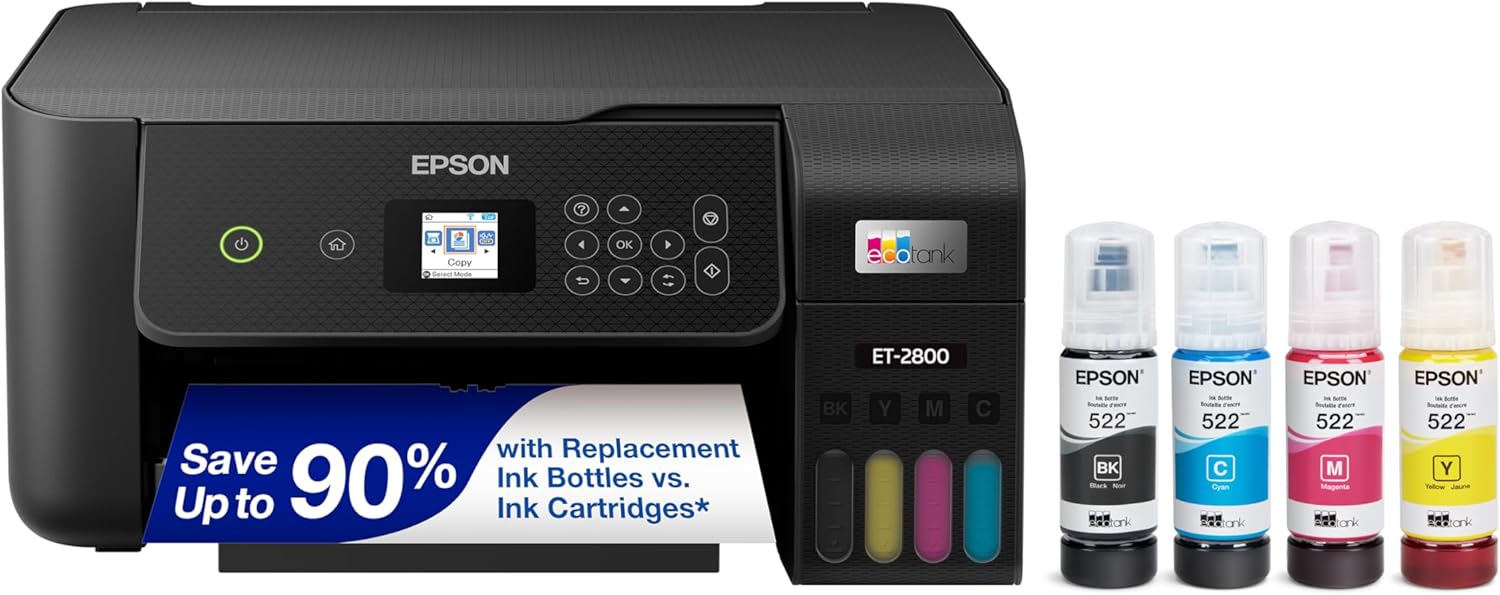
Look for reputable remanufacturers with strong guarantees. This choice directly fuels the demand for the recycling process you’re participating in. For a more permanent solution, consider switching to a cartridge-free printer system like the Epson EcoTank ET-2800 Wireless Color All-in-One, which uses refillable ink tanks to drastically reduce plastic waste.

Recommended Products
While recycling is crucial, choosing products designed for longevity and reduced waste can make an even bigger impact over time. Here are a few options that align with sustainable tech habits.
Epson EcoTank ET-2800 Wireless All-in-One Printer
Kingston IronKey Vault Privacy 50 16GB FIPS 197
Prime Wordsworth & Black Luxury Fountain Pen Set
As an Amazon Associate we earn from qualifying purchases. Product prices and availability are accurate as of the date/time indicated.
Common Mistakes to Avoid
- Throwing cartridges in the regular trash or recycling bin: Municipal recycling facilities are not equipped to handle them, and they will end up in a landfill.
- Not checking acceptance policies: Some programs only accept specific brands or cartridge types (e.g., no large-format photo cartridges). A quick check online saves a trip.
- Sending leaking cartridges: Always ensure the cartridge’s output nozzles are covered with the original tape or a piece of plastic wrap to prevent ink from spoiling the box during transit.
- Forgetting to remove packing materials: If you’re dropping cartridges in a store bin, take them out of any plastic clamshell packaging first, as that’s a different type of plastic.
- Ignoring local options: Before going through the hassle of shipping, check if a nearby retailer or community drop-off point exists for instant recycling.
Frequently Asked Questions
Are ink cartridges actually recycled?
Yes, when you use reputable programs. Cartridges are disassembled. Plastic components are cleaned, shredded, and reformed into new products like pens or plastic lumber. Metals are recovered and smelted. Any residual ink is either disposed of properly or, in some cases, processed for reuse.
Can I recycle off-brand or compatible cartridges?
It depends on the program. Manufacturer programs often only accept their own brands. However, retailer drop-off programs (like at Staples) and some local e-waste events usually accept all brands, including compatible and remanufactured cartridges. Always verify before sending or dropping off.
Is it better to recycle or refill cartridges myself?
For most users, professional recycling is better. DIY refill kits can be messy, may damage your printer if done incorrectly, and often result in lower print quality. Professional remanufacturers have the equipment to clean, refill, and test cartridges properly. If you want to reduce waste, buying professionally remanufactured cartridges is a more reliable choice.
What happens if I just throw them away?
Cartridges in landfills take centuries to decompose. The plastics can leach chemicals into the soil and groundwater, and the residual inks may contain heavy metals. This waste also represents a lost opportunity to recover valuable materials, forcing the production of all-new plastics.
Are there any security risks with recycling toner cartridges?
Laser printer toner cartridges contain a memory chip that can sometimes store information like page counts. For extremely high-security environments, some organizations choose to physically destroy chips. For most home and office users, this is not a concern. If you handle sensitive data, general device security is more critical, as discussed in our guide on u003ca href=u0022https://cyberseclabs.org/cyber-security-jobs-and-salary-trends-in-2025-high-paying-roles-career-guide/u0022u003ecybersecurity career trendsu003c/au003e.
Final Thoughts
Recycling your used ink and toner cartridges is a simple yet powerful action for reducing your environmental footprint. With multiple free and convenient options available—from manufacturer mail-back programs to local drop-offs—there’s really no excuse to toss them in the trash. By taking a few minutes to follow the steps outlined here, you’re contributing to a circular economy that conserves resources and keeps plastics out of our ecosystems.
For more detailed guides on maintaining your tech responsibly, explore our other blog posts, including tutorials like our step-by-step guide to cleaning a camera lens. Making informed choices about the products you buy, like opting for refillable systems, can further amplify your positive impact.
About the author

Elvis Dicki writes reviews and buying guides for CyberSecLabs.