Garmin 010-03024-00 Review: For Garmin Users Seeking Detailed Sleep Data
The Garmin Index Sleep Monitor is a dedicated upper-arm wearable that provides in-depth sleep metrics and integrates with the Garmin Connect ecosystem, though its effectiveness is tied to proper setup and Garmin's data model.
 By Elvis Dicki
Updated October 21, 2026
The Garmin 010-03024-00, known as the Index Sleep Monitor, is a specialized wearable designed to provide comprehensive sleep and recovery metrics. Unlike a smartwatch, it is a lightweight band worn on the upper arm during sleep, focusing on tracking sleep stages, heart rate variability (HRV), and other physiological data. This product is targeted at users who want detailed sleep insights without wearing a full smartwatch overnight, particularly those already invested in the Garmin ecosystem through the Garmin Connect app. It offers a way to potentially enhance sleep tracking accuracy compared to wrist-based devices, but its value is contingent on seamless data integration and consistent user experience.

For individuals focused on optimizing recovery and sleep quality, this device presents a dedicated tool. It aims to deliver metrics like sleep score, breathing variations via Pulse Ox, and skin temperature for advanced women’s health tracking. The bottom line is that the Garmin Index Sleep Monitor serves as a niche accessory for obtaining granular sleep data, but potential buyers should be aware of reported integration challenges with existing Garmin watch data models.
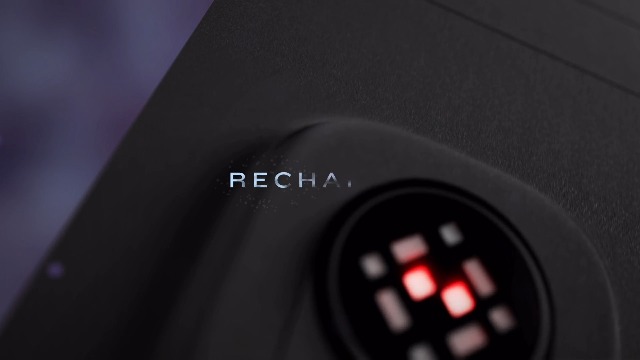
Garmin Index Sleep Monitor Armband for Sleep



As an Amazon Associate we earn from qualifying purchases. Product prices and availability are accurate as of the date/time indicated.
Garmin 010-03024-00 at a Glance
| Spec | Value |
|---|---|
| Model Number | 010-03024-00 |
| Worn Location | Upper Arm |
| Key Metrics | Sleep Score, Sleep Stages, HRV, Breathing Variations, Skin Temperature |
| Battery Life | Up to 7 nights |
| Sensor Type | Optical, Pulse Ox |
| Connectivity | Syncs to Garmin Connect app |
| Special Features | Smart Wake Alarm, Advanced Women’s Health Tracking |
| Included Components | Index Sleep Monitor, charging/data cable, documentation |
| Warranty | 1 Year Limited Warranty |
Design and Build
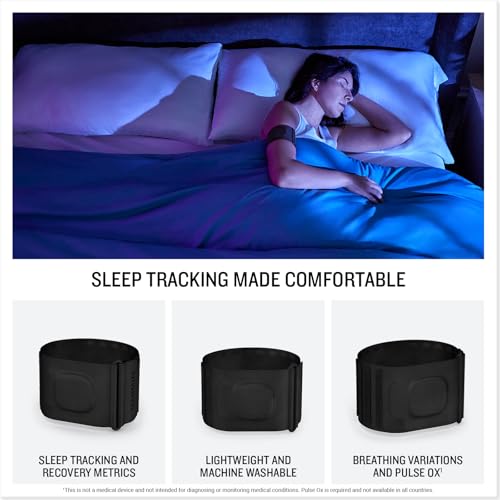
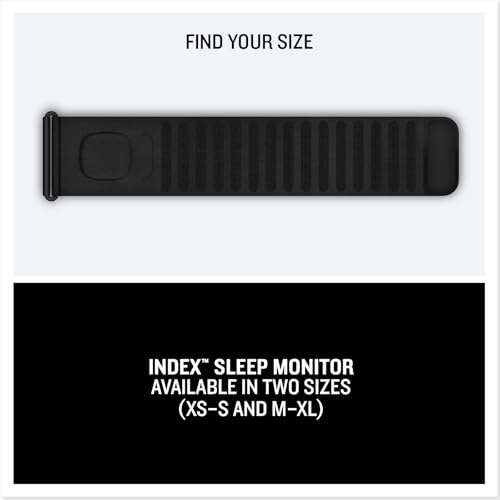
The Garmin Index Sleep Monitor is designed as a minimalist sleep band, prioritizing comfort for overnight wear. It is constructed from a nylon material, contributing to its lightweight and breathable nature as described by the manufacturer. The band is available in two sizes, with the provided specifications detailing the Large-X-Large variant measuring 17.8 inches in length. With a minimal thickness of 0.02 inches and a total item weight of 14.2 grams, the design philosophy is clearly centered on reducing awareness of the device during sleep. The black color scheme is understated, and the physical sensor module is compact, with dimensions of 0.3 by 1.6 by 1.5 inches. This design choice to place it on the upper arm, rather than the wrist or finger, is intended to minimize discomfort and interference, a point confirmed by positive owner feedback regarding comfort.
Performance and Features
Sleep Tracking and Health Metrics
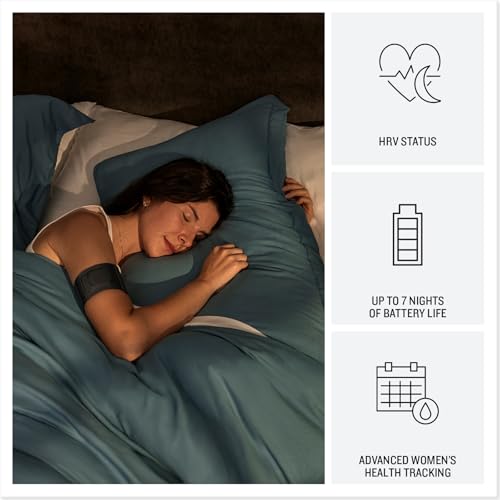
The core function of the Index Sleep Monitor is to provide detailed sleep analysis. According to the manufacturer’s data, it tracks sleep stages, calculates a sleep score, monitors heart rate variability (HRV), and records sleep duration. It is important to note the manufacturer states this data is intended to be a close estimation. A key feature is the use of Pulse Ox (pulse oximetry) to monitor breathing variations during sleep, offering additional insight into sleep quality. However, the manufacturer specifies that this feature is not available in all countries and reiterates that the device is not a medical device for diagnosing conditions. The skin temperature sensor supports advanced women’s health tracking, providing data for menstrual cycle predictions and past ovulation estimates, though it is also not intended for medical purposes like conception or contraception.
Battery and Connectivity
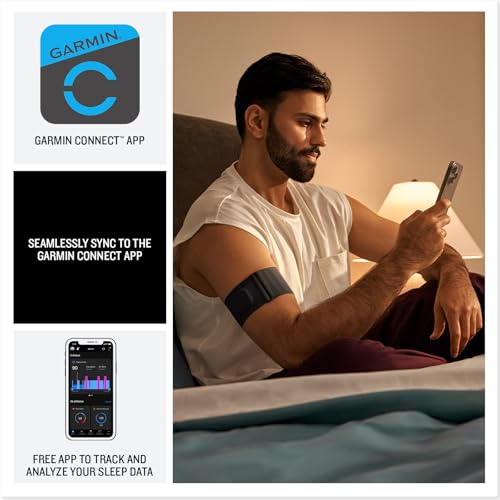
The device is rated for up to seven nights of battery life on a single charge, which supports consistent tracking without daily charging. Connectivity is managed through the Garmin Connect app. The device can sync sleep data directly to the app for users who do not own a Garmin smartwatch. For users who also wear a compatible Garmin watch during the day, the data from the sleep monitor is designed to sync via the same app to provide a more comprehensive health and fitness overview. The smart wake alarm feature uses a gentle vibration to attempt to wake the user at an optimal point in their sleep cycle.
Setup, Support and Ownership
Setup involves charging the device and connecting it to the Garmin Connect app on a smartphone, tablet, or personal computer. The manufacturer’s description references video guidance for product setup. Ownership considerations center on the Garmin ecosystem integration. The device comes with a standard one-year limited warranty. Support appears to follow standard manufacturer channels, though user reviews mention interactions with customer service for troubleshooting. There is no manufacturer data on long-term software update support or additional accessory options beyond the included charging cable and two band sizes.
What Owners Say
Owner feedback presents a mixed picture, reflected in the average rating. Positive reviews frequently highlight the device’s comfort, with users reporting they do not notice it while sleeping. Some owners with Garmin smartwatches find it a more comfortable alternative for sleep tracking and praise its accuracy for metrics like HRV and SpO2 compared to their watches. It is also valued as a standalone, subscription-free option within the Garmin ecosystem.
However, critical reviews reveal significant pain points. A common and serious complaint is that the sleep data from the band does not integrate properly with the physiological model (affecting metrics like Body Battery and Training Status) created by a paired Garmin smartwatch, leading to separate, disconnected data sets. Other users report frustrating syncing issues, where data fails to transfer automatically to the app without manual intervention. Some reviews also mention customer service experiences involving lengthy wait times for resolution. The rating distribution shows a polarization, with a significant portion of five-star and one-star ratings.
Pros and Cons
Pros
- Comfortable, lightweight upper-arm design for all-night wear
- Long battery life supports a full week of sleep tracking
- Provides detailed sleep metrics including HRV and breathing variations
- Includes advanced women’s health tracking via skin temperature
- No subscription fee required for data access
- Seamless integration with the Garmin Connect app for a holistic view
Cons
- Reported failure to integrate sleep data with a Garmin watch’s physiological model
- Potential for finicky syncing and connectivity issues
- Advanced Pulse Ox feature is not available in all regions
- Not a medical device and cannot diagnose sleep or health conditions
- Tracking accuracy is dependent on consistent, proper fit during sleep
- Mixed customer service experiences reported by some owners
Who Should Buy It (and Who Should Skip It)
The Garmin Index Sleep Monitor is best suited for dedicated Garmin Connect users who want more comfortable and potentially more detailed sleep metrics than their wristwatch provides and are willing to troubleshoot potential integration hiccups. It is a strong fit for sleep-focused individuals, including athletes monitoring recovery, or those interested in the women’s health tracking features, who prefer a one-time purchase over a subscription service like Whoop or Oura. For more insights into optimizing your tech setup, explore our expert picks for the best monitors and best desk chairs.
This product is not ideal for those seeking a completely seamless, plug-and-play experience. Users who expect the sleep band to automatically and fully combine its data with their existing Garmin watch metrics for a unified Body Battery or Training Status should likely skip it until Garmin addresses these integration issues. It is also not suitable for individuals needing a medical-grade diagnostic device or for those in regions where the Pulse Ox functionality is restricted.
Final Verdict
The Garmin Index Sleep Monitor is a capable device on paper, offering a comfortable form factor and a rich set of sleep and recovery metrics that align with the needs of health-conscious users. Its long battery life and lack of a subscription are definite advantages in the wearable market. When it functions as intended, it provides valuable data that can contribute to a better understanding of sleep patterns and overall wellness within the Garmin ecosystem.
However, its overall recommendation is heavily tempered by the significant software and integration issues reported by a substantial number of owners. The core promise of enhancing the Garmin physiological model appears broken for many, undermining a key reason for purchasing a Garmin-specific accessory. Therefore, while the hardware and feature set are promising, the current implementation suggests it is a product for patient Garmin enthusiasts willing to navigate potential sync problems, rather than a universally reliable solution. For those building a comprehensive tech environment, consider reading about AI smart home devices or visiting our main reviews hub for more analysis.
FAQs
Does the Garmin Index Sleep Monitor work without a Garmin watch?
Yes, the sleep monitor can sync its data directly to the Garmin Connect app on a compatible smartphone, tablet, or computer without requiring a Garmin smartwatch. You can view all your sleep metrics through the app. However, if you do use a Garmin watch, the data is designed to sync to the same app for a combined overview.
How accurate is the sleep tracking data?
The manufacturer states that the data presented is intended to be a close estimation of the metrics tracked. It is not a medical device and is not intended for diagnosing or monitoring medical conditions. Accuracy depends on factors like consistent, proper fit on the upper arm during sleep. Some owner reviews suggest good correlation for metrics like HRV and SpO2 with other dedicated devices.
What is the difference between this and tracking sleep with my Garmin watch?
The primary differences are comfort, sensor placement, and potential sensor accuracy. The upper-arm band is often reported as more comfortable for sleeping than a wristwatch. It also uses a different form factor which may improve readings for some metrics like Pulse Ox. Crucially, some users report that the band does not integrate its sleep data into the same physiological model (affecting Body Battery, etc.) as the watch, creating separate data streams.
Is the Pulse Ox (blood oxygen) feature available everywhere?
No. The manufacturer explicitly notes that the Pulse Ox sensor, which is required for the breathing variations feature, is not available in all countries. You should check Garmin’s regional specifications or with local retailers to confirm if this functionality is enabled for the device in your location before purchasing.
About the author

Elvis Dicki writes reviews and buying guides for CyberSecLabs.