Cybergeek RTX 5060 Ti Review: For Local AI and Content Creators
The Cybergeek RTX 5060 Ti graphics card delivers high AI performance and 16GB of GDDR7 memory, making it a strong choice for on-device AI tasks and creative workflows.
 By Elvis Dicki
Updated October 22, 2026
The Cybergeek RTX 5060 Ti is a graphics card built on NVIDIA’s Blackwell architecture, targeting users who need serious AI acceleration and content creation power on their desktop. It is designed for professionals and enthusiasts who run local large language models, engage in AI-enhanced photo and video editing, and also want solid gaming performance, all while keeping their data private and on-device. This review analyzes its specifications, design, and intended use cases to determine if it delivers on its promise for AI-driven workflows.
At its core, the card is defined by its 759 AI TOPS performance rating from 5th Gen Tensor Cores and a substantial 16GB of fast GDDR7 memory. This combination suggests a focus on handling demanding AI applications like generative creation, upscaling, and local LLM inference without relying on cloud services. For creators and developers building a private AI workstation or a versatile gaming and creation system, the Cybergeek RTX 5060 Ti appears to offer a balanced package of modern connectivity and specialized compute power.
CyberGeek RTX 5060 Ti 16GB GDDR7 Graphics Card
As an Amazon Associate we earn from qualifying purchases. Product prices and availability are accurate as of the date/time indicated.
Cybergeek RTX 5060 Ti at a Glance
| Specification | Detail |
|---|---|
| Graphics Coprocessor | NVIDIA GeForce RTX 5060 Ti |
| Architecture | NVIDIA Blackwell |
| Video Memory (VRAM) | 16 GB GDDR7 |
| Memory Speed / Bandwidth | 28 Gbps / 448 GB per sec |
| AI Performance | 759 AI TOPS (5th Gen Tensor Cores) |
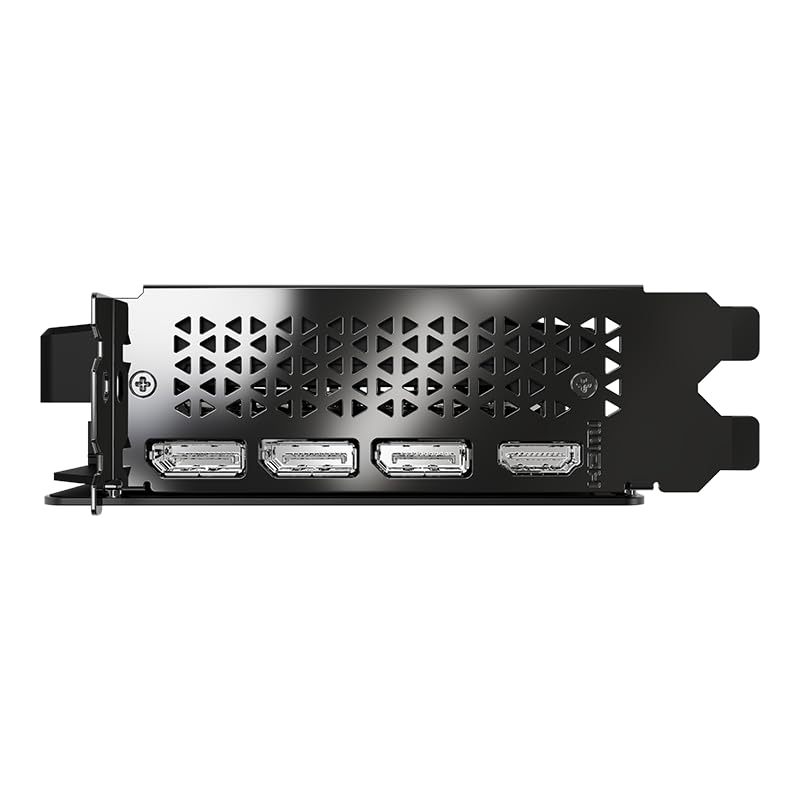
| Display Outputs | 3x DisplayPort 2.1b, 1x HDMI 2.1b |
| Power Connector / TDP | Single 8-pin / 180W |
| Cooling Solution | Dual-fan, 2-slot design |
| Included Accessory | RGB GPU Holder |
| Interface | PCIe 5.0 x8 |
Design and Build
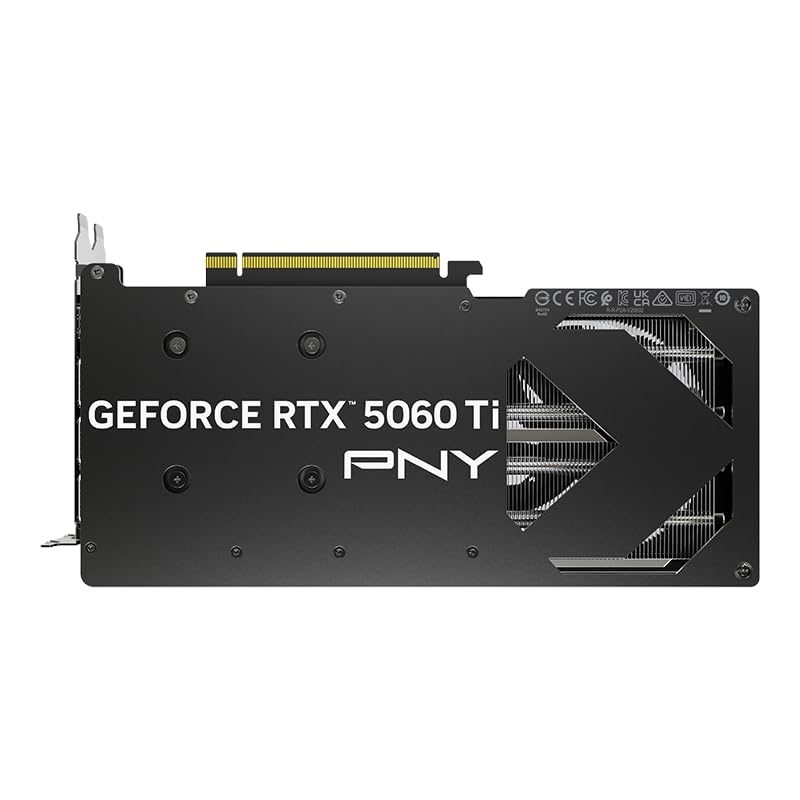
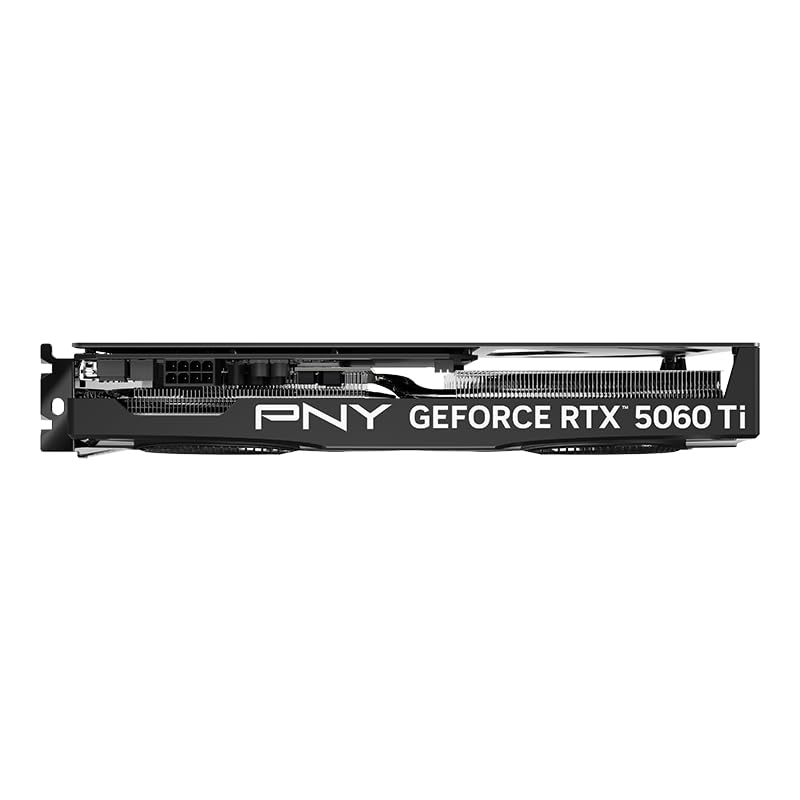
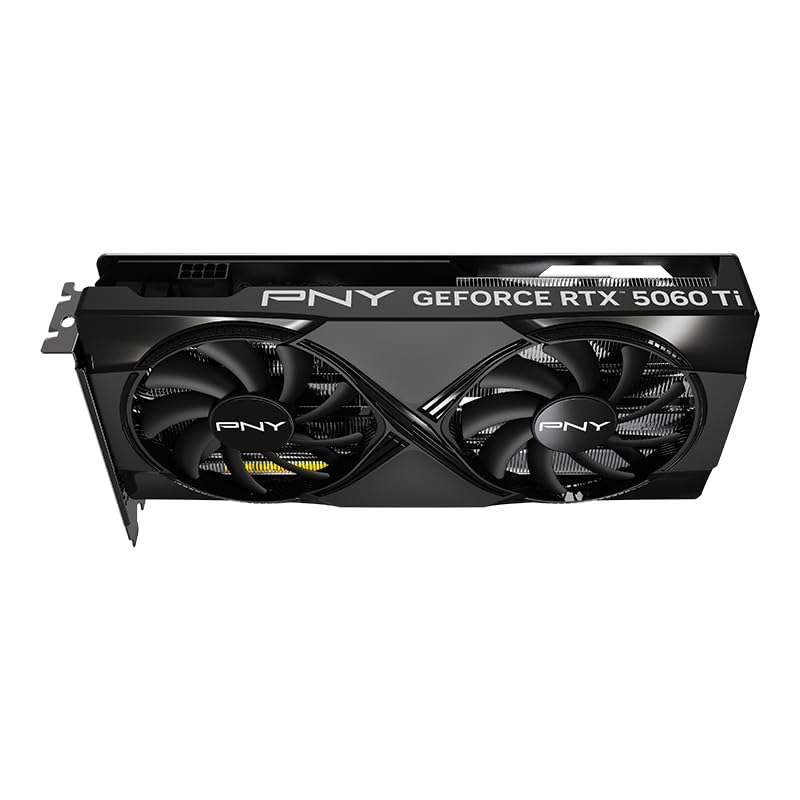
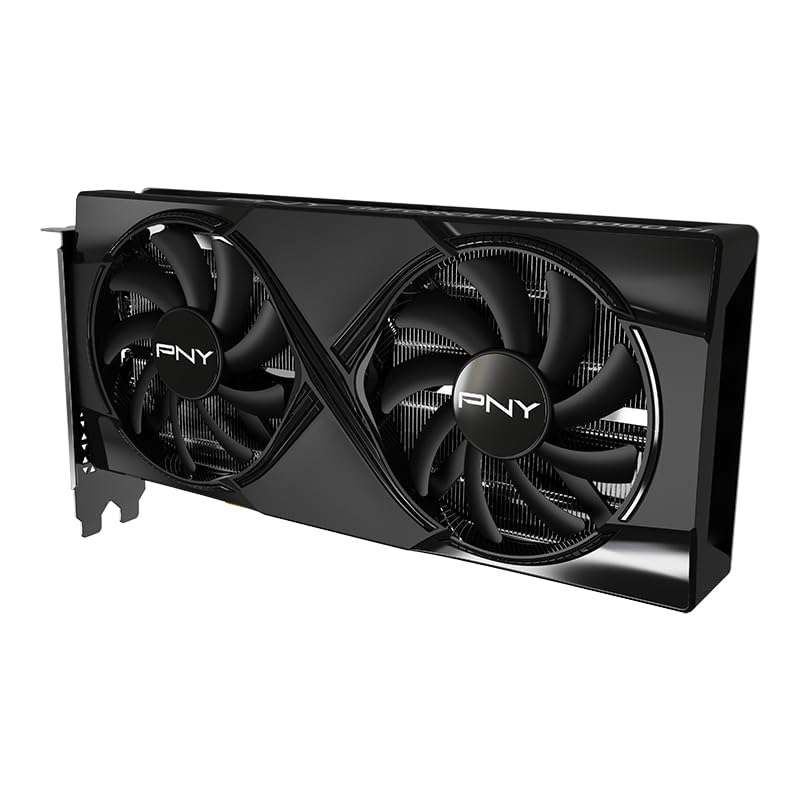
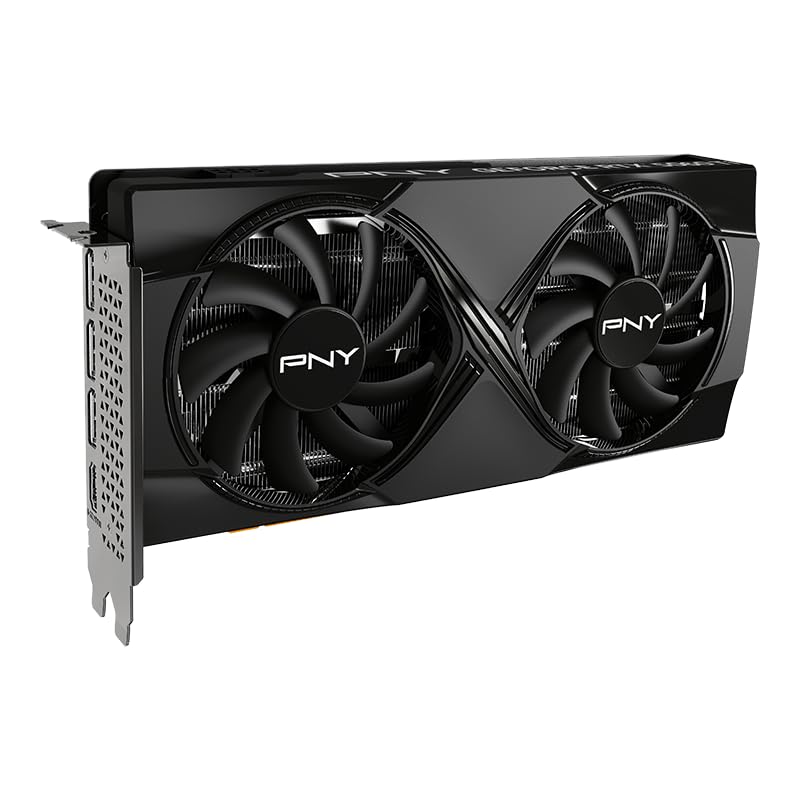
The Cybergeek RTX 5060 Ti employs a dual-fan cooling system housed in a relatively compact 2-slot form factor. The card’s dimensions are listed as 9.65 by 4.72 by 1.57 inches, which should allow it to fit into a wide range of standard PC cases without major clearance issues. The design prioritizes practical cooling for its 180W Thermal Design Power (TDP) within a space-efficient footprint, making it suitable for both new builds and upgrades in systems with limited internal space.
A notable inclusion in the bundle is the RGB GPU holder. This accessory is designed to combat GPU sag, a common issue where heavier graphics cards can bend or strain the PCIe slot over time. By providing this support, the manufacturer aims to improve long-term build stability and component longevity. The dual-fan cooler is a common design for this class of card, balancing cooling performance against potential acoustic output under sustained loads, a factor to consider for quiet-focused builds.
Performance and Features
AI and Compute Performance
The standout feature of the Cybergeek RTX 5060 Ti is its focus on AI acceleration. With a rated performance of up to 759 AI TOPS powered by 5th Gen Tensor Cores, the card is engineered to speed up AI-driven tasks. According to the manufacturer, this includes accelerating photo and video workflows such as upscaling, denoising, background removal, masking, and generative AI creation. For users of creative software that leverages AI, this can translate to faster rendering and more responsive tooling.
Furthermore, the 16GB of GDDR7 memory is a key asset for local AI inference. This capacity is intended to help users run local Large Language Model (LLM) chat assistants, coding aids, and other AI applications without depending on cloud services. The fast 28 Gbps memory speed and 448 GB per second bandwidth support handling larger models, longer context windows, and multitasking across several AI apps, which is crucial for developers and researchers engaged in private AI workloads and RAG (Retrieval-Augmented Generation) tasks. For more on hardware for AI development, see our guide on the best computer servers for AI research.
Gaming and Visual Performance
While AI is a highlight, the card is also built for gaming. Leveraging the NVIDIA Blackwell architecture and GDDR7 memory, it is designed to deliver smooth gameplay. The manufacturer states it is great for high refresh rate 1080p and 1440p gaming, though actual performance will depend on specific game settings and overall system configuration. It supports the latest game technologies inherent to its architecture, aiming to provide a modern gaming experience. The card’s capabilities might also enhance gaming on specialized setups, similar to considerations for the best games for ultra-wide monitors.
Connectivity and Display Support
Connectivity is a strong point for multi-taskers and creators. The card provides three DisplayPort 2.1b outputs and one HDMI 2.1b port, supporting a total of up to four simultaneous displays. This array is ideal for building expansive multi-monitor setups for content creation, programming, or complex workflow management. The use of the latest DisplayPort and HDMI standards ensures support for high resolutions and refresh rates on modern monitors, facilitating detailed and fluid visual workspaces.
Setup, Support and Ownership
Setup should be straightforward for anyone familiar with installing a graphics card. The card uses a standard PCIe 5.0 x8 interface and requires a single 8-pin power connector from the power supply, which is common and widely available. Users must ensure their power supply unit is compatible and has sufficient capacity for the card’s 180W TDP plus the rest of their system components. The included RGB GPU holder adds a step to the installation process but provides tangible value for system stability.
The product comes with a 3-year limited warranty from the manufacturer, which offers a standard period of coverage for a component of this type. Ongoing support would typically involve driver updates from NVIDIA to maintain performance and compatibility with new games and applications. The dual-fan cooling system is designed for the card’s thermal profile, but as with any air-cooled GPU, maintaining good case airflow will contribute to optimal performance and longevity. For those building complete systems around such components, exploring AI mini PC options can provide context for different form factors.
What Owners Say
Owner feedback for the Cybergeek RTX 5060 Ti is currently very limited. The available rating distribution shows a perfect score, with all reviews being 5-star. However, with only a minimal number of reviews, this data point should be viewed as preliminary. One excerpt from a buyer review simply states, “It tast good” with the comment “Yummy,” which does not provide substantive insight into performance, thermals, or noise. Potential buyers should consider that detailed, long-term user experiences are not yet widely available, making the manufacturer’s specifications and intended use cases the primary sources of information at this time.
Pros and Cons
Pros
- High AI TOPS rating for accelerated creative and inference workloads
- Generous 16GB GDDR7 memory handles demanding textures and AI applications
- Multiple modern display outputs support up to four monitors
- Bundled RGB GPU holder adds build stability at no extra cost
- Compact dual-fan, 2-slot design fits most PC cases
- Straightforward power requirements with a single 8-pin connector
Cons
- Very limited customer feedback available
- 180W TDP requires a compatible power supply with an 8-pin connector
- Dual-fan cooling may produce more noise under sustained loads compared to premium triple-fan models
- Performance in specific games and applications is not detailed by user reports
- The 128-bit memory interface, while paired with fast GDDR7, is a specification some enthusiasts monitor
- Long-term reliability and driver support are not yet established by a broad user base
Who Should Buy It (and Who Should Skip It)
The Cybergeek RTX 5060 Ti is ideally suited for content creators, developers, and researchers who prioritize on-device AI processing. If you regularly use AI tools for image upscaling, video denoising, generative art, or run local LLMs for private chat or coding assistance, this card’s 759 AI TOPS and 16GB VRAM are compelling features. It is also a viable option for gamers who want smooth 1080p and 1440p performance and value the potential for AI-accelerated features in games and creative suites. The included GPU holder and multi-display support make it a practical choice for building a clean, stable workstation.
This card may not be the best choice for users who rely heavily on extensive community feedback and long-term reliability data before purchasing, as that information is currently scarce. Those seeking the absolute quietest cooling solution for a silent PC build might want to consider models with larger or more advanced cooling systems. Additionally, users with very old or low-wattage power supplies that lack a proper 8-pin PCIe power connector would need to upgrade their PSU. For users whose primary focus is extreme 4K gaming or professional 3D rendering beyond AI, different segments of the GPU market may offer more targeted performance. Broader tech insights can be found in our Tech Gear section.
Final Verdict
The Cybergeek RTX 5060 Ti presents a specialized proposition in the graphics card market, carving a niche focused on AI acceleration and content creation. Its specifications, centered on the Blackwell architecture, 5th Gen Tensor Cores, and fast GDDR7 memory, are thoughtfully aligned with modern workflows that leverage machine learning. The inclusion of a GPU holder and robust display outputs adds practical value for system builders and multi-monitor users. On paper, it balances AI compute, gaming capability, and a user-friendly form factor effectively.
However, the decision to purchase should be tempered by the current lack of widespread user reviews and in-depth independent testing. While the manufacturer’s claims and feature set are impressive, potential buyers are essentially early adopters regarding community-reported experiences. For those building a system specifically for local AI tasks and creative work, and who are comfortable relying on specification-based analysis, the Cybergeek RTX 5060 Ti is a promising contender. It represents a step towards powerful, private AI computation becoming more accessible on the desktop.
FAQs
What is the primary use case for the Cybergeek RTX 5060 Ti?
The primary use case is accelerating AI-driven workflows and local inference. This includes AI content creation tasks like photo upscaling, video denoising, and generative AI, as well as running private local Large Language Models (LLMs) for chat or coding. It is also designed to deliver solid gaming performance at 1080p and 1440p resolutions, making it a dual-purpose card for creators who also game.
How many monitors can I connect to this graphics card?
You can connect up to four monitors simultaneously. The card provides three DisplayPort 2.1b outputs and one HDMI 2.1b output. This allows for flexible multi-display setups ideal for productivity, content creation timelines, or immersive gaming and simulation environments.
Does the card come with any accessories?
Yes, the card is bundled with an RGB GPU holder. This accessory is designed to be installed in your PC case to support the graphics card and prevent GPU sag, which can occur over time with heavier cards and helps maintain the integrity of the PCIe slot and card itself.
What kind of power supply do I need for this GPU?
The Cybergeek RTX 5060 Ti has a 180W TDP and requires a single 8-pin PCIe power connector. You will need a power supply unit that has this connector available and sufficient total wattage to power your entire system comfortably, including the GPU, CPU, and other components. The manufacturer does not list a specific minimum PSU wattage.
About the author

Elvis Dicki writes reviews and buying guides for CyberSecLabs.